Introduction
In the ever-evolving landscape of healthcare, specifically within the world of respiratory treatment, the requirement for specialized training is vital. Ventilation training courses are essential in making certain health care experts are equipped with the necessary abilities to take care of patients who require mechanical air flow assistance. The National Disability Insurance Coverage Plan (NDIS) in Australia stresses reliable training programs customized to meet the one-of-a-kind demands of people living with disabilities, consisting of those needing ventilatory support.
This write-up explores Designing an Efficient NDIS Ventilation Training Program: Ideal Practices, discussing various aspects such as content creation, practical applications, governing factors to consider, and strategies for reliable understanding results. We will look into why a durable educational program is necessary for not simply nurses however all healthcare providers involved in respiratory tract monitoring and ventilation.
Understanding NDIS Ventilation Training
What is NDIS Air flow Training?
NDIS ventilation training refers to customized programs created for healthcare providers working with individuals who call for assistance with breathing due to different clinical conditions. This sort of training focuses on both academic understanding and useful skills crucial for efficient respiratory tract management and ventilation.
The Significance of Ventilation Training Courses
Ventilator use has increased significantly over the last few years, making it vital for healthcare experts to be trained adequately. The ideal education can cause far better person end results and a boosted understanding of ventilator pressure support mechanisms.
Basic Concepts of Mechanical Ventilation
Mechanics of Breathing
Understanding exactly how mechanical air flow works is foundational. At its core, mechanical air flow assists clients that can not breathe effectively on their own.
Types of Mechanical Ventilators- Invasive vs. Non-invasive Volume-cycled vs. Pressure-cycled
- Endotracheal tubes Tracheostomy devices Humidifiers
Ventilator Setups Explained
What do the settings on a ventilator imply? Each criterion adjusts how much air and oxygen an individual receives.
- Tidal Volume (VT): The quantity of air provided in each breath. Respiratory Price (RR): The amount of breaths per minute. FiO2: The portion of inspired oxygen.
Understanding these settings enables healthcare providers to maximize treatment plans effectively.
Curriculum Layout for NDIS Air Flow Courses
Key Elements of Curriculum Development
Creating an educational program that meets both governing criteria and useful needs entails numerous crucial elements:
Learning Objectives: Define what individuals must recognize by the end of the course. Content Structure: Arrange product in logical sections such as standard ventilator program material followed by sophisticated techniques. Assessment Methods: Identify just how students will be assessed-- practicals, composed tests, etc.Incorporating Adult Knowing Principles
Adults learn in a different way than youngsters; therefore, including principles like self-directed knowing and real-world applicability can boost engagement.
Best Practices in Educating Techniques
Hands-On Training Approaches
Why are hands-on strategies vital? Because they permit individuals to practice their skills in a controlled setup before running into real-life scenarios.
- Simulation labs Role-playing exercises Case studies
These methods foster self-confidence amongst students while preparing them for emergency situations they might deal with in scientific settings.
Utilizing Modern technology in Education
Technological developments have actually changed education and learning distribution systems dramatically. Utilizing online platforms can extend reach while providing flexibility to hectic medical care professionals.
Virtual classrooms Interactive e-learning modules Telehealth integrationTracheostomy and Ventilator Training
Understanding Tracheostomy Care
Tracheostomy procedures entail positioning a tube with a laceration in the trachea to help with breathing when traditional respiratory tract management fails or is not sufficient.

- Types of tracheostomy tubes Indications for use
Integrating Tracheostomy right into Ventilator Training
Incorporating tracheostomy treatment into ventilator training makes certain detailed protection of airway management subjects important for nursing competence.
Evaluation Methods for NDIS Air Flow Courses
Formative Assessment Techniques
Assessment is essential throughout the discovering process. Formative evaluations help recognize areas needing renovation throughout training rather than just at its conclusion.
Quizzes after each module Peer comments sessions Observational checklists throughout practicalsSummative Assessment Methods
Summative assessments gauge overall efficiency at the end of the training course through:
- Final exams Practical skill assessments Course feedback surveys
Legal and Moral Considerations in Air Flow Training
Regulatory Requirements Compliance
Adhering to local laws regarding healthcare training guarantees that programs satisfy required safety and security requirements and instructional high quality benchmarks.
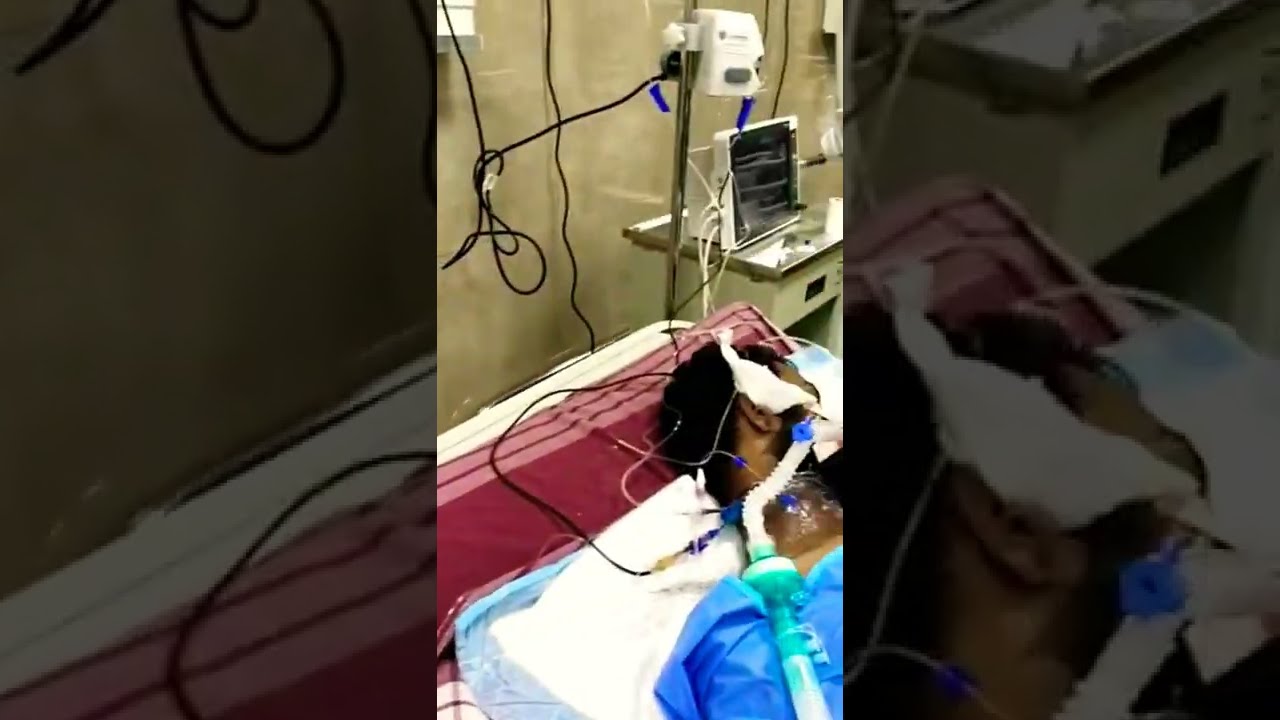
Understanding extents of practice Keeping abreast with updates from health authorities
Ethical Obligations as Educators
As teachers, there exists an honest responsibility to present exact details while advertising safe methods amongst future medical care providers.
Engaging Healthcare Professionals in Discovering Modules
Creating Interactive Discovering Experiences
Interactive atmospheres not just make discovering enjoyable however additionally improve information retention rates among participants.
- Group discussions Hands-on presentations with responses loopholes
Motivational Methods for Grownup Learners
How do you maintain grown-up learners motivated? Concentrating on significance and useful application keeps passion levels high throughout the training course duration.
Conclusion: Transforming Lives Via Education
In amount, efficient NDIS ventilation training programs form a keystone for proficient respiratory system care ventilator pressure support method within ventilation training course Australia's diverse medical care framework. By following finest techniques outlined right here-- from educational program growth with evaluation-- teachers can create impactful understanding experiences that equip registered nurses and various other professionals with important skills required for managing airway-related difficulties effectively.
FAQs regarding Designing an Efficient NDIS Ventilation Training Training Course: Best Practices
Q1: What sorts of experts must take an NDIS ventilation training course? A1: Primarily aimed at nurses, yet also valuable for allied health and wellness team associated with patient respiratory care management.
Q2: For how long does it generally require to complete an NDIS air flow course? A2: Period varies extensively relying on program framework; nonetheless, a lot of programs range from eventually as much as several weeks.
Q3: Exist requirements prior to enlisting in an NDIS ventilation training course? A3: Yes, usually some history expertise or experience related to respiratory system treatment or nursing is required.
Q4: Can this training boost individual results significantly? A4: Definitely! Effectively educated personnel can provide much better treatment leading directly to enhanced person health results.
Q5: Is on-line training readily available for these courses? A5: Yes! Lots of institutions supply hybrid designs integrating on the internet theory with useful parts done onsite.
Q6: Will I obtain certification upon completion? A6: The majority of reputable programs give qualification recognized within the market upon satisfactory completion.
Designed thoughtfully, this comprehensive method toward creating efficient NDIS ventilation training courses will unquestionably contribute positively towards boosting patient care throughout numerous settings-- paving paths toward excellence!
